Who we work with
For Whom
Neurofeedback and biofeedback training is relevant across a wide spectrum of needs — from children with attention difficulties to elite athletes seeking a mental edge.
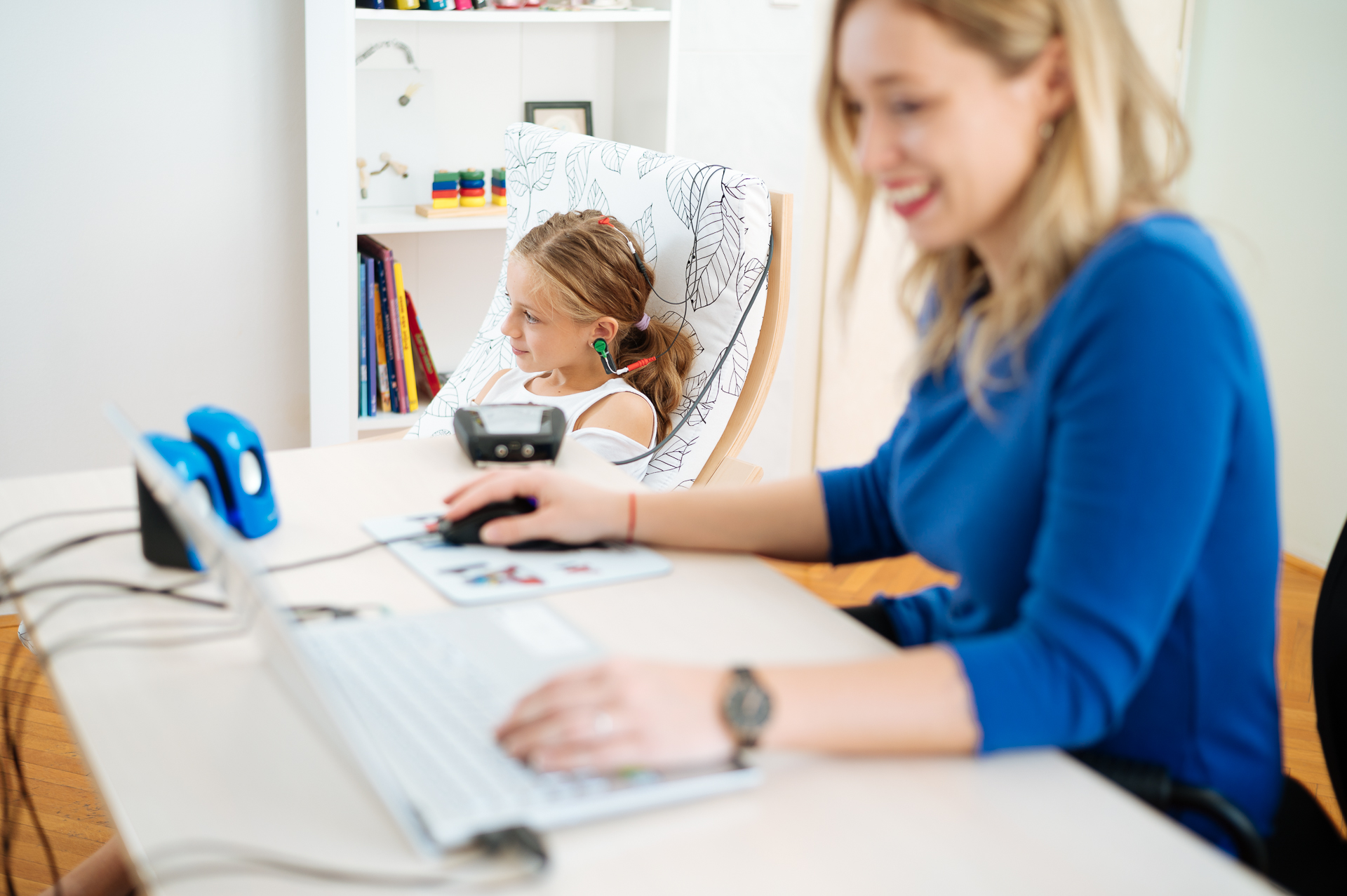
Children
Supporting children's development
The developing brain is particularly responsive to neurofeedback training. Children often see significant progress within a relatively small number of sessions — especially when training is consistent and combined with supportive parenting strategies.
ADHD and attention difficulties
Neurofeedback is one of the most researched non-pharmacological interventions for ADHD. Training targets the brainwave patterns associated with inattention and hyperactivity, helping children sustain focus and manage impulses more effectively.
Learning difficulties
Difficulties with reading, writing or mathematics are often related to underlying patterns of brain regulation. By supporting more optimal brainwave activity, neurofeedback can help children access their learning potential more consistently.
Hyperactivity and impulsivity
Children who struggle to sit still, wait their turn or control their reactions benefit from training that strengthens the brain's inhibitory control systems — without medication.
Sleep difficulties and anxiety
Anxious children often struggle to switch off at bedtime. Neurofeedback supports the shift from aroused to calm brain states — making it easier for children to fall asleep and stay asleep.
Adults
For the modern adult brain
Chronic stress, digital overload, poor sleep and occupational pressure take a measurable toll on brain function. Neurofeedback and biofeedback offer adults a direct way to retrain the patterns underlying these challenges.
Stress and burnout
Chronic stress locks the nervous system into a state of elevated arousal. Combined neurofeedback and biofeedback training helps the brain and body re-learn how to genuinely rest and recover.
Anxiety
Anxiety is often associated with specific patterns of overactivation in the brain. Neurofeedback trains these patterns toward calmer, more balanced activity — providing a lasting foundation for reduced anxiety.
Sleep problems
Poor sleep is both a cause and consequence of dysregulated brain activity. Training supports the natural transition to sleep states and improves sleep quality and duration.
Focus and cognitive performance
For adults who want to sharpen their thinking, improve memory or maintain peak cognitive performance at work, neurofeedback offers a structured, evidence-based training programme.
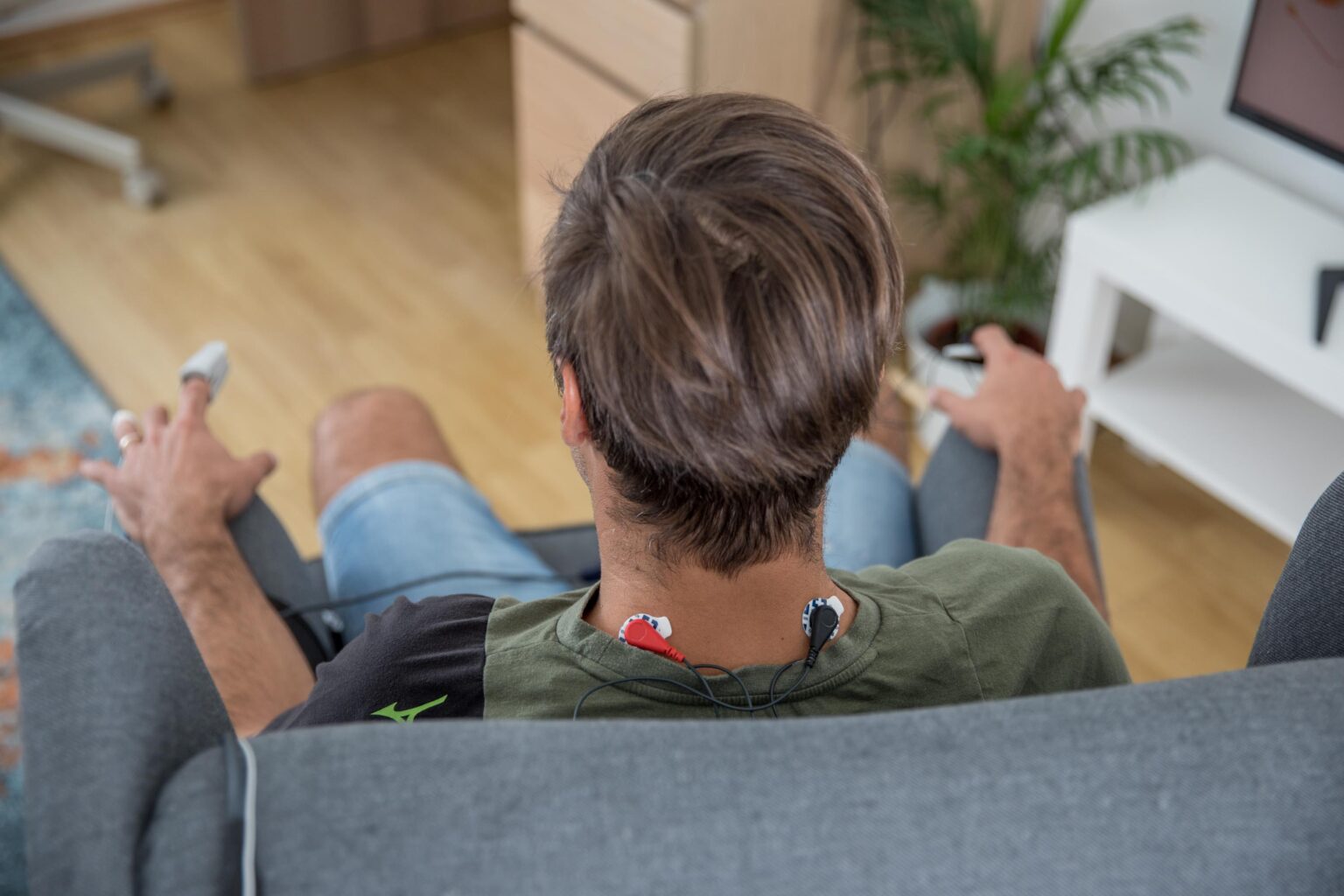
Performance
Peak performers
Neurofeedback is increasingly used by those who already perform well — and want to perform at their absolute best.
Athletes
Competitive athletes use neurofeedback to develop the focus, composure under pressure and rapid recovery that separate good performers from exceptional ones. Used by Olympic-level athletes worldwide.
Musicians and artists
Performance anxiety and the inability to access flow states are common obstacles for musicians, actors and creatives. Neurofeedback trains the brain toward the alpha-theta states associated with creative flow.
Executives and leaders
High-stakes decision-making, sustained concentration and effective stress management under pressure are exactly what neurofeedback supports — making it a popular tool for business leaders.
Is it right for me?
Start with an initial assessment
Not sure if neurofeedback or biofeedback is right for your situation? The initial assessment is designed to answer exactly that question — together, we'll figure out the best approach.