
Brain training
Neurofeedback
A non-invasive method that trains the brain to work in more optimal patterns — supporting focus, calm and lasting self-regulation.
What is neurofeedback?
The brain learns through feedback
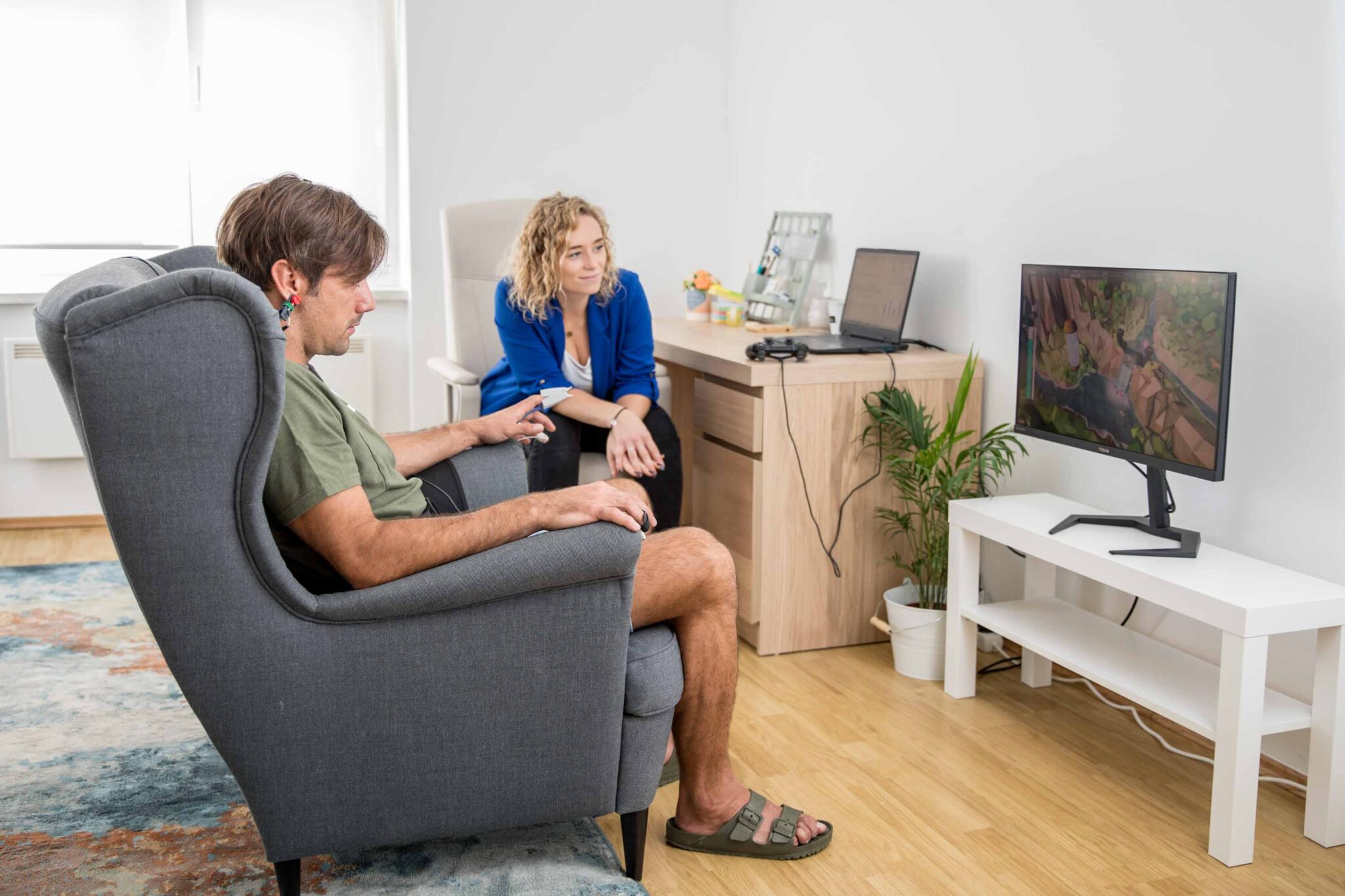
Neurofeedback is a form of brain training based on the principles of operant conditioning. Sensors placed on the scalp read brainwave activity (EEG) in real time. When the brain produces the desired patterns, it receives a reward signal — usually a visual or audio cue in a video or game.
Over time the brain learns to sustain these optimal states. This process is gradual, evidence-based and completely non-invasive — no medication, no electrical stimulation.
Neurofeedback has been researched for over 50 years and is used in clinical settings worldwide for attention, anxiety, sleep and performance.
The process
How a session works
Sensors placed
Small EEG sensors are attached to specific positions on the scalp. No discomfort — it feels like wearing a soft cap.
Real-time feedback
The system monitors your brainwave activity and gives instant feedback through audio or visual signals whenever your brain hits the target state.
Brain adapts
Through repeated sessions the brain strengthens preferred patterns — much like building a muscle through regular exercise.
Lasting change
The new patterns become the brain's default mode. Most clients report results that persist long after the training programme ends.
Indications
Who benefits from neurofeedback?
Neurofeedback supports a wide range of goals in both children and adults.
Children
- ✓ ADHD and attention difficulties
- ✓ Hyperactivity and impulsivity
- ✓ Learning difficulties
- ✓ Anxiety and emotional regulation
- ✓ Sleep difficulties
- ✓ School performance support
Adults
- ✓ Chronic stress and burnout
- ✓ Anxiety and depressive mood
- ✓ Sleep problems
- ✓ Focus and cognitive performance
- ✓ Peak performance (athletes, executives, artists)
- ✓ Recovery from trauma
Sessions
What to expect
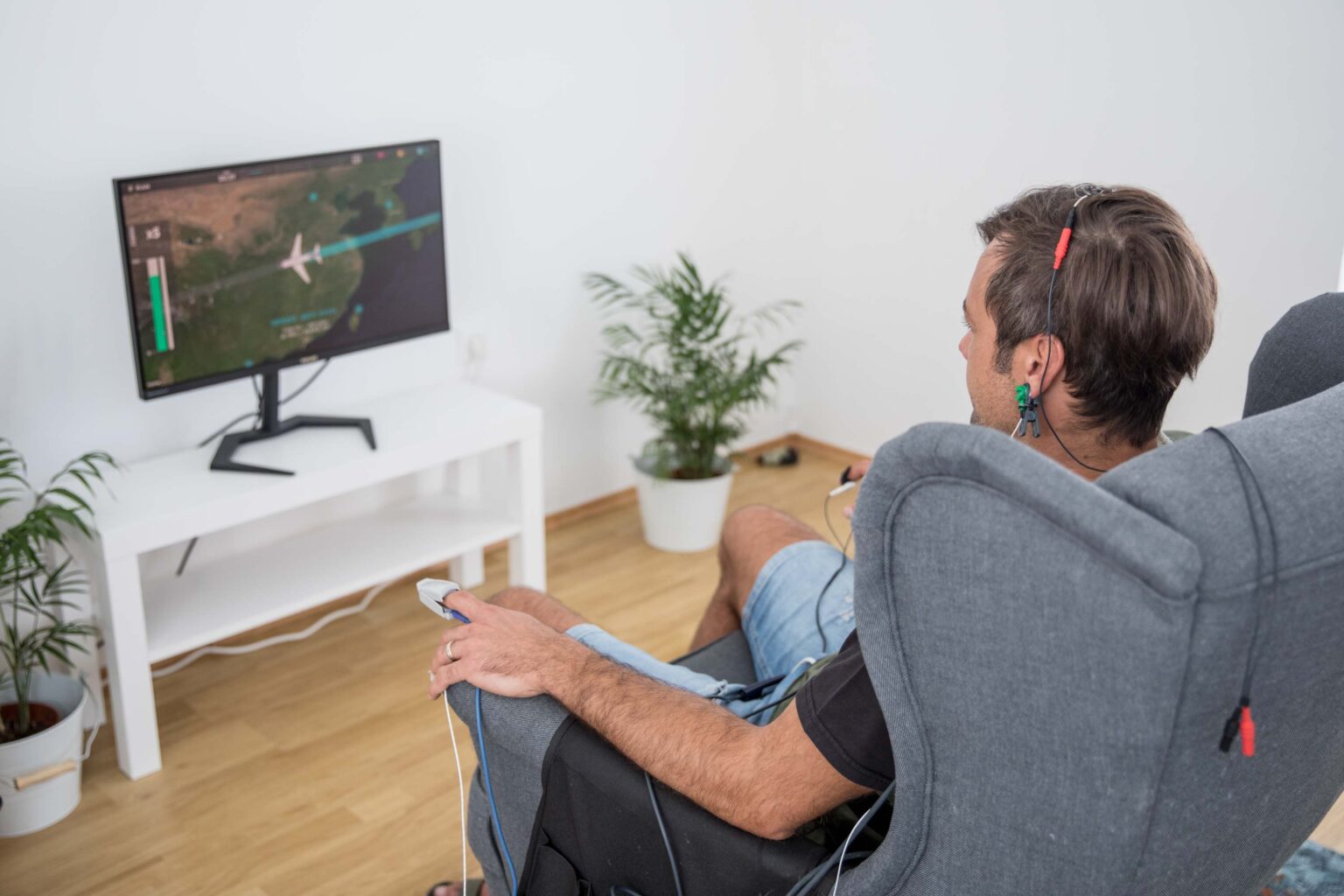
A single neurofeedback session typically lasts 45–60 minutes. The first visit includes a detailed assessment conversation and, where appropriate, a T.O.V.A. attention test.
Most programmes consist of 20–40 sessions, scheduled once or twice a week. Progress is monitored throughout — the protocol is adjusted as your brain's patterns evolve.
Sessions are non-invasive and relaxing — many clients describe them as similar to watching a calming film, with a slight warm sensation of mental effort.
Book an assessment →Pricing
Neurofeedback fees
All prices include VAT. Package deals are available — view packages →
Questions
Neurofeedback FAQ
Get started
Book your initial assessment
The first step is a 60-minute assessment — we'll talk through your goals and design a programme tailored to you.